HX thermostatic circulators
Circulating temperature control
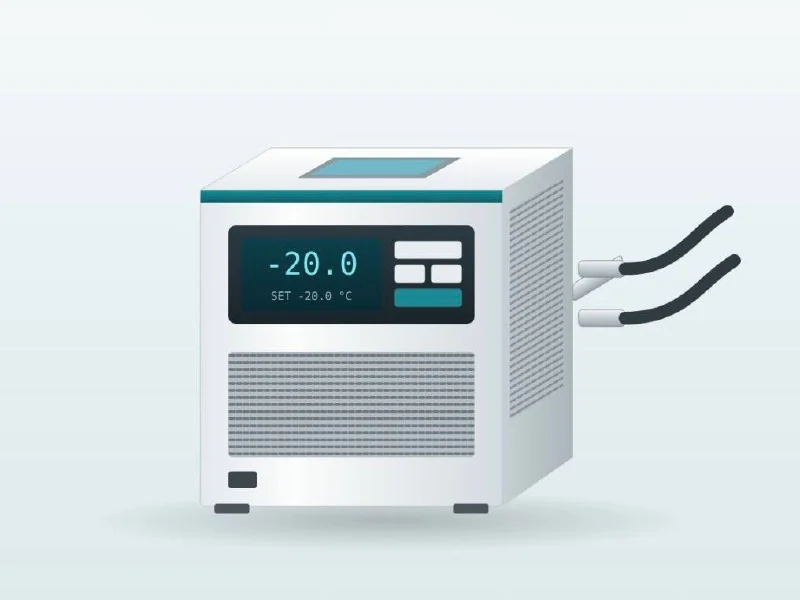
Recirculating thermostatting from −30 to 200 °C, with models rated from 180 to 1200 W: overheat protection, a thermal cut-out and fine adjustment.
HX thermostatic circulators
| Model | T range, °C | Power, W | Features |
|---|---|---|---|
| HX-1005 | −5…99 | 190–375 | Overheat protection |
| HX-2015 | −20…99 | 370–1200 | Thermal cut-out |
| HX-3010 | −30…99 | 370–1200 | Fine adjustment |
| HX-2505G | −25…200 | 180 | High accuracy |
| HT-1500 | 5…40 | 1100 | LCD display |
Documents and quality
- Product certificate and operating manual
- Calibration certificate or factory test report (on request)
- Manufacturer's warranty card
- Delivery note and VAT invoice
Delivery terms
- Shipment from our warehouse in Vladivostok, delivery across Russia by freight carriers
- Payment by invoice (bank transfer) for legal entities and sole proprietors
- Delivery time and cost are agreed with the manager after the order is placed
Request a quote
The price depends on quantity, pack size, and delivery terms, so the manager quotes it for your specific case. A reply with the price and lead time usually arrives within one business day.
See also

Matched chemicals 6
-
Diethyl azodicarboxylate (DEAD)
Why: The Mitsunobu reaction is run at 0 °C, then at room temperature
-
1,1'-(Azodicarbonyl)dipiperidine (ADDP)
Why: Mitsunobu with ADDP, the same temperature regime
-
Hydroxylamine-O-sulfonic acid
Why: Amination under cooling: the reaction is exothermic
-
Hydrogen peroxide 27.5%
Why: Oxidation with peroxide below 30 °C to reduce its decomposition
-
o-Phthalaldehyde (OPA)
Why: Derivatization of amines with OPA at a constant temperature (HT-1500, 5–40 °C)
-
3,4-Methylenedioxyphenethylamine hydrochloride
Why: Preparation of the hydrochloride and crystallization of the salt under cooling
Turnkey solutions: HX series thermostatic circulators
The selection is for guidance only; compatibility must be confirmed by a specialist.